What Famous Logos Teach Us About Design
What happens when designers spend 100 days obsessively studying iconic logos? They uncover the hidden architecture that makes certain marks survive for decades while others fade into irrelevance.
The projects born from SVA's Masters in Branding program — where students document 100 days of creative process — offer a rare lens into how brand marks actually work. Not as marketing assets, but as pure design objects with measurable visual properties.
Here's what dissecting these famous logos reveals about the craft.
Geometric Foundations Are Non-Negotiable
Every enduring logo is built on a geometric skeleton. When you strip away color and surface treatment from marks like Fender, Coca-Cola, or Disney, you find circles, triangles, and golden ratio proportions doing the structural work.
The practical rule: start with basic geometry before adding any stylistic treatment.
For a small business logo, this means:
- Sketch your mark as pure shapes first — no color, no texture
- Test whether the geometric form reads clearly at 16px (favicon size)
- Only add complexity after the skeleton is solid
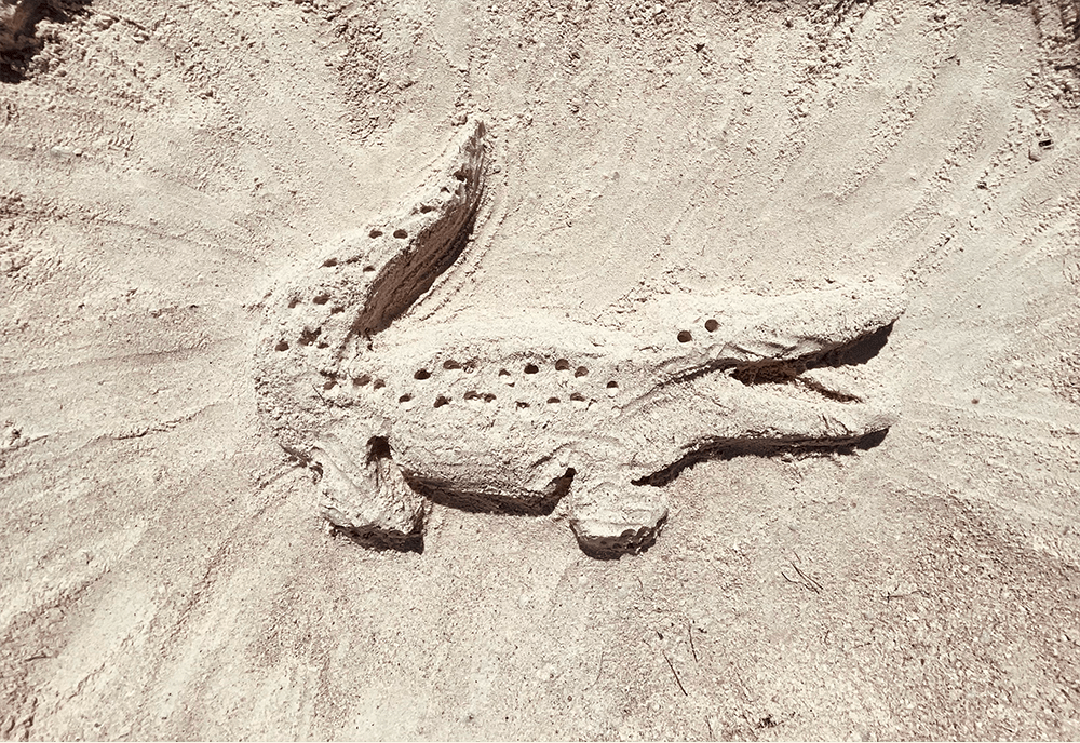
The Lacoste crocodile, for example, is built on an S-curve that maintains visual rhythm at any size. The detailed scales are decoration; the curve is the logo.
Color Carries More Information Than You Think
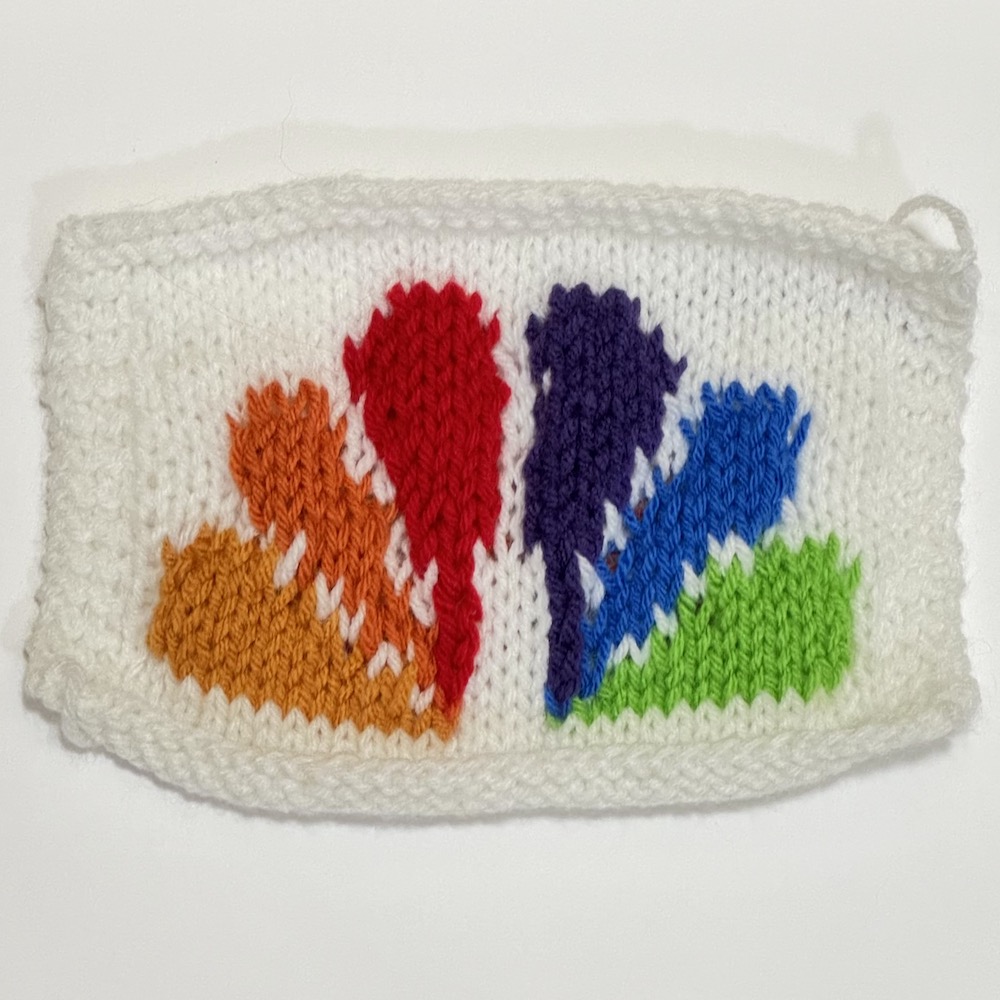
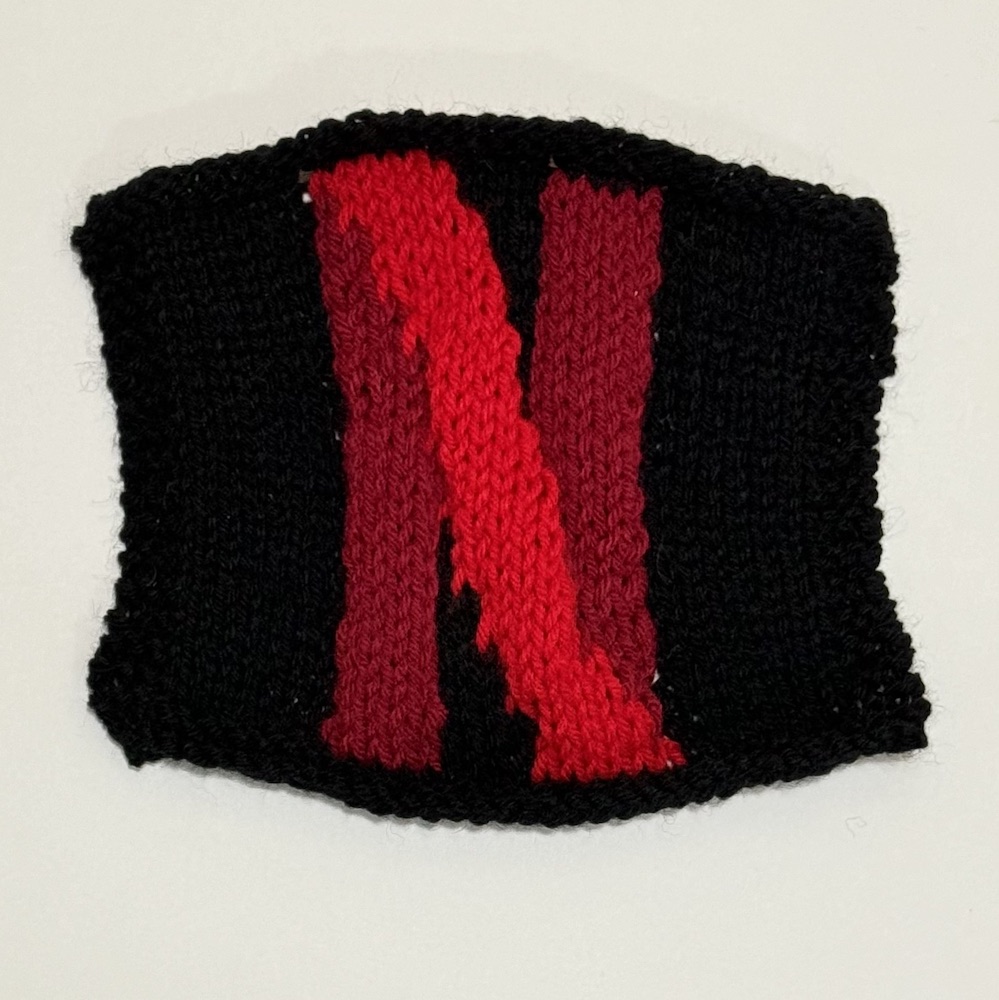
When Marisa Goldberg knitted 100 logos in yarn, something unexpected happened: some marks remained instantly recognizable while others became unidentifiable without their color.
This distinction is critical for logo design. A logo that only works in its exact color combination is a fragile logo.
NBC's peacock mark lost almost nothing in yarn — the radial feather geometry carries the identity. The Netflix "N" on the other hand relied heavily on its red-on-black contrast. Both are valid design approaches, but they carry different risks.
For SMB owners commissioning logos: always ask to see your mark in:
- Full color
- Single color (black)
- Reversed (white on dark)
- Embossed/engraved (no color at all)
If it fails any of these tests, the geometry needs rethinking before you commit to production.
The Scalability Test Most Designers Skip
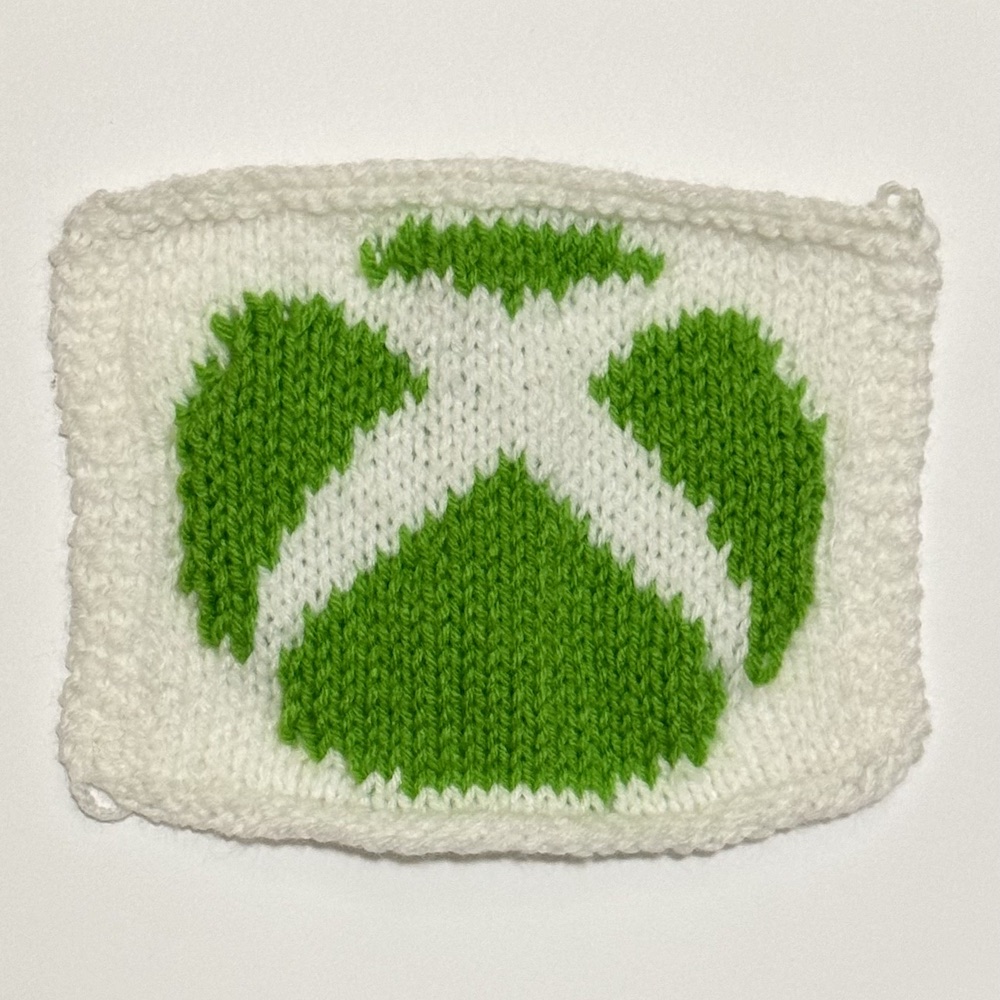
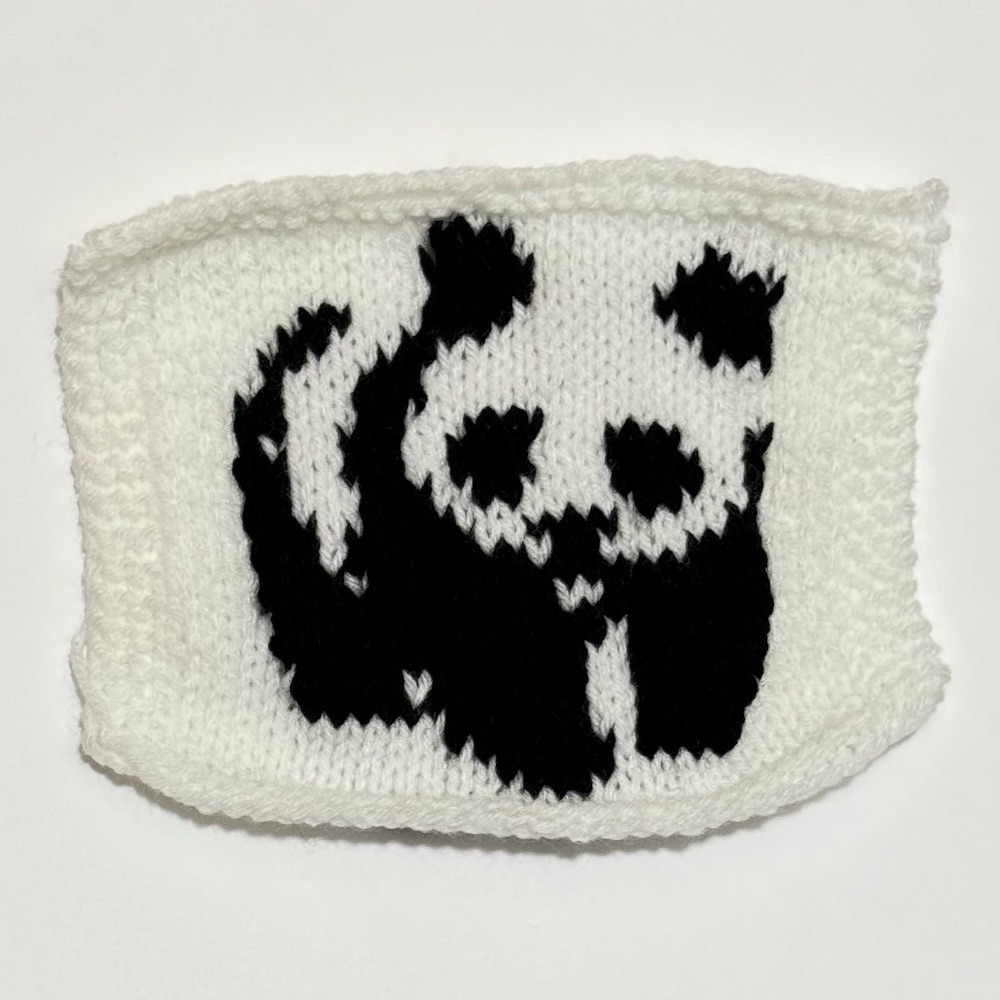
The WWF panda and Xbox mark reveal a specific design challenge: logos that use negative space require extra testing at small sizes because the white areas collapse.
When knitted in yarn, these logos actually perform better than expected because the craft medium forces a minimum stroke width. Digital logos don't have this protection — a designer can create hairline strokes that print beautifully at A3 but become invisible at business card size.
The minimum stroke width rule: No line in your logo should be thinner than 0.5mm at its smallest intended print size. For a logo that will appear at 25mm wide, that means no strokes thinner than 2px at 100mm display size.
Brand Flexibility: When a Mark Enters New Contexts
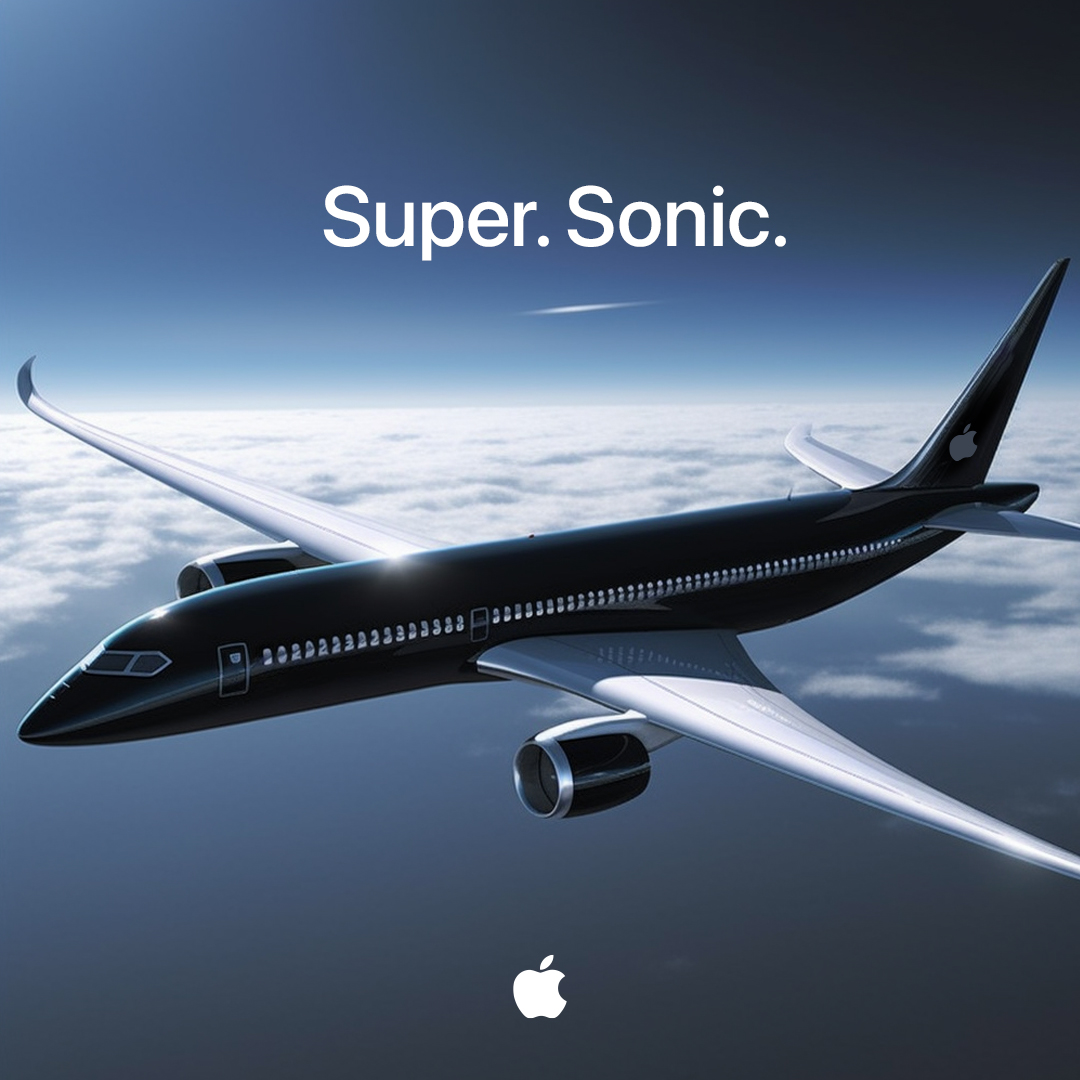
Deane Cruz's "Brand What Ifs" series — imagining Apple making jets, Audi making microwaves — exposes exactly how brand marks function as flexible systems rather than fixed images.
What makes the Apple logo work on a jet? Its extreme geometric simplicity. A bitten circle with a leaf. No internal detail, no gradient dependency, no minimum color requirement.
The Audi four rings work on a microwave because they're purely geometric and context-independent — the mark doesn't "say" car, it says precision and interconnection.
This is the design lesson for small businesses: your logo will appear on contexts you haven't anticipated yet. A restaurant logo ends up on delivery bags, staff uniforms, window vinyl, and Google Maps pins. Design for the medium you haven't thought of yet.
The practical test: put your logo on:
- A circular profile image (SNS avatar)
- A horizontal banner
- A square app icon
- A black coffee cup
If it requires modification for each context, the mark lacks the geometric flexibility of a truly scalable logo.
Typography: Why Custom Lettering Outlasts Font Choices

When Tesla's logo appears on luggage in Cruz's series, the wordmark holds up because the letterforms were custom-designed with specific optical adjustments — not simply set in a typeface.
The difference between a logo typeface and a logo wordmark:
- A typeface set in Helvetica Bold is a starting point, not a logo
- A true wordmark has custom letter-spacing, modified terminals, and adjusted stroke weights
- Custom lettering protects against "font recognition" — when customers notice your logo is just Arial
For SMBs who can't commission custom lettering: choose typefaces with distinctive geometric features (unusual 'a' construction, unique terminals) rather than generic humanist sans-serifs that every competitor also uses.
Also consider: letter-spacing in logos should be set tighter than body text defaults. Logos live at large sizes and need optical density. The default tracking on most fonts is designed for reading paragraphs, not for 48pt display.
The 100-Day Method Applied to Your Own Logo Review
The SVA students' process — returning to the same creative problem every day for 100 days — reveals something important about design iteration.
Most logo projects get three rounds of feedback. A hundred days of deliberate observation would expose:
- Which elements you stop seeing (they've become invisible — usually important)
- Which elements age poorly (trend-dependent details)
- Which elements feel differently in different emotional states (strong marks feel consistent)
For business owners evaluating a logo proposal: live with the mark for two weeks before approving. Put it as your phone wallpaper. Print it at business card size. If it still feels right after two weeks of daily exposure, the geometry is working.
What Ephemeral Brand Experiments Teach About Permanence
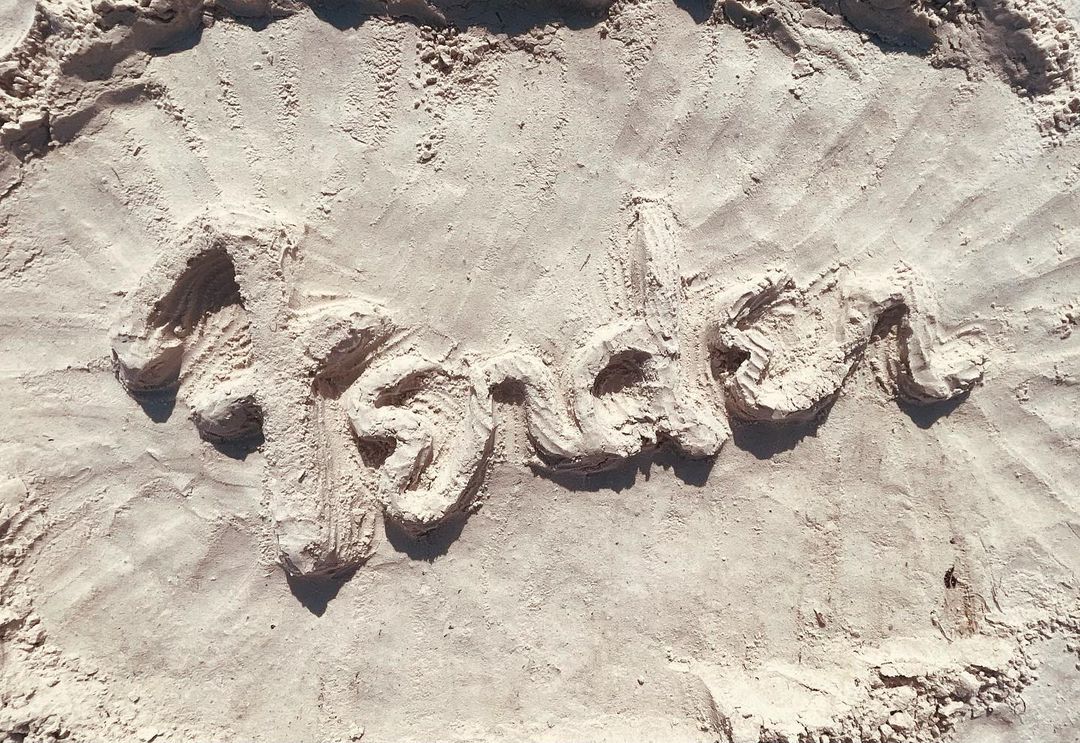
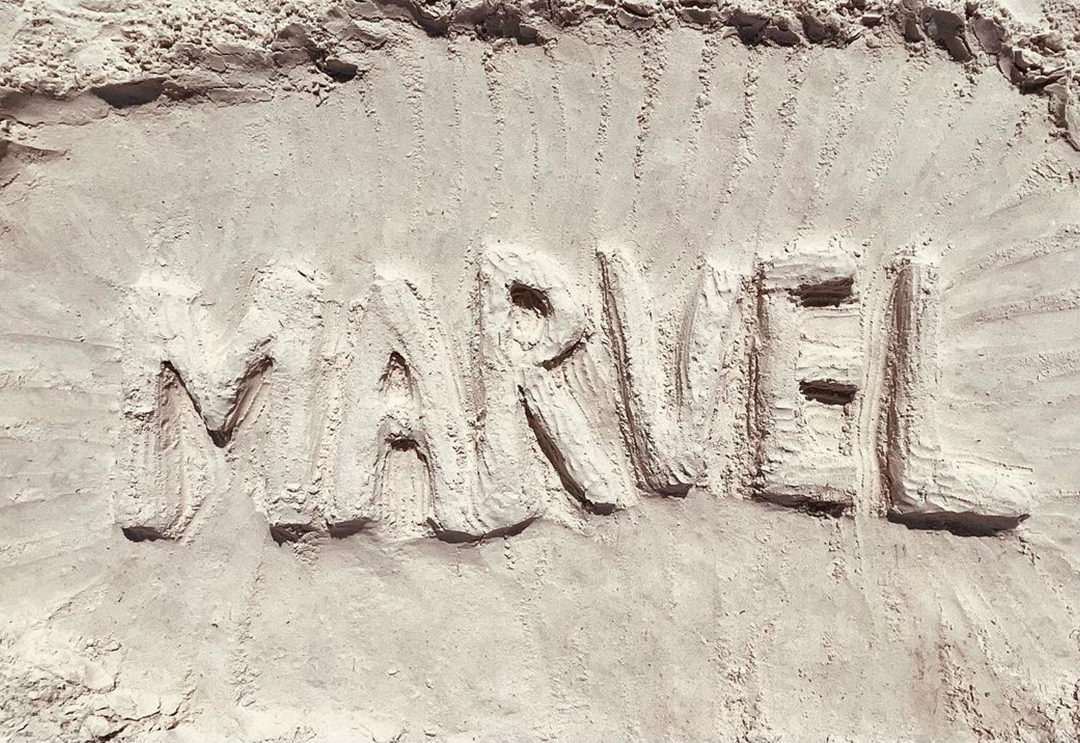
Kaylin Ingram's Brand Castles — iconic logos built as sand castles — makes a pointed observation about brand impermanence. Companies that seem immovable (Coca-Cola, Disney, Marvel) are all ultimately temporary constructions.
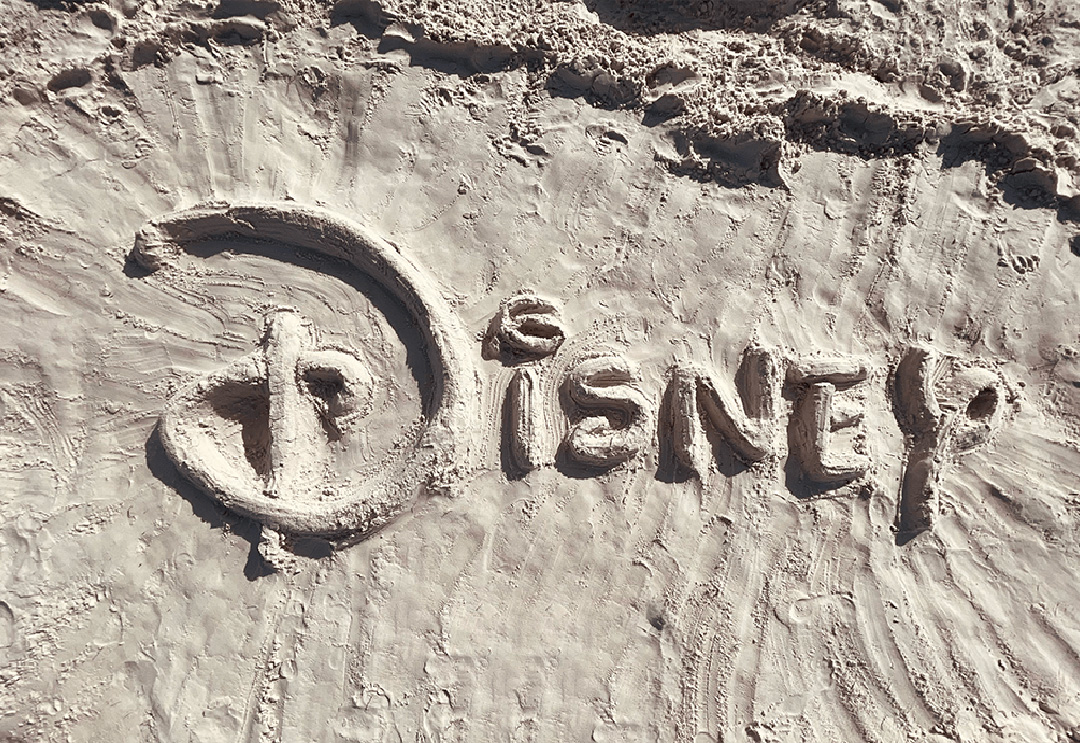
The design implication: logos should be designed for 10-20 year relevance, not eternity. The companies whose marks have survived longest have periodically simplified them — removing gradients, flattening shadows, adjusting proportions.
The direction of evolution for durable logos is always toward simplicity:
- More geometric, less illustrative
- Fewer colors, not more
- Reduced stroke variation
- Removed decorative elements
If your current logo has drop shadows, bevels, or more than three colors: you're not building a sandcastle, but you may be adding elements that will age visibly within five years.
The practical takeaway from watching designers spend 100 days with iconic marks: the logos worth studying are the ones that have been edited, not embellished. The marks that survive aren't the most detailed — they're the most reduced.